You’re driving through Leicester, approaching a junction, and as you press the brake pedal, you hear it.
Squeeeeeak.
Your brakes are making that annoying high-pitched noise again.
Maybe it only happens first thing in the morning. Perhaps it happens every time you slow down. Either way, you’re wondering whether your brake pads need replacing.
The good news is that squeaking brakes don’t always mean something is seriously wrong.
But sometimes, the noise is an early warning that your braking system needs attention.
At RubberGuys in Leicester, we help drivers investigate brake noises and identify whether their brakes need servicing or repair.
1. Moisture and Surface Rust on Brake Discs
Have you noticed your brakes squeak when you first drive away in the morning, particularly after rain?
This is common in the UK.
When your car sits overnight, moisture can settle on the brake discs and cause a thin layer of surface rust.
As you begin driving and use the brakes, the brake pads can remove that surface layer.
You might hear a brief squeaking or scraping sound during the first few stops.
When should you be concerned?
If the noise disappears quickly and the brakes otherwise feel normal, surface moisture may be the explanation.
However, if the noise continues, gets louder or comes with vibration or reduced braking performance, have the brakes inspected.
2. Worn Brake Pads
Brake pads gradually wear down every time you use the brakes.
Some pads have wear indicators designed to make a high-pitched squealing sound when the friction material is getting low.
That noise is a warning that your pads may need replacing.
Other signs of worn brake pads include:
- A squealing noise that keeps returning
- Reduced braking performance
- A brake warning light on some vehicles
- Visible wear identified during inspection
Not every brake pad has an audible wear indicator, so you shouldn’t rely on noise alone to judge pad condition.
If your brakes are squealing regularly, arrange a brake inspection.
3. Brake Dust, Dirt or Small Debris
Your braking system is exposed to road dirt, dust and moisture.
Occasionally, debris can become trapped around brake components and cause squeaking or scraping noises.
You may notice the sound when braking or sometimes even when the vehicle is moving without the brakes applied.
It’s difficult to tell whether debris is responsible without inspecting the brakes.
Avoid attempting to remove anything around the braking system while the vehicle is unsupported or the components are hot.
A garage can check for debris and inspect the condition of the pads, discs and surrounding parts.
4. Brake Pads or Discs That Need Attention
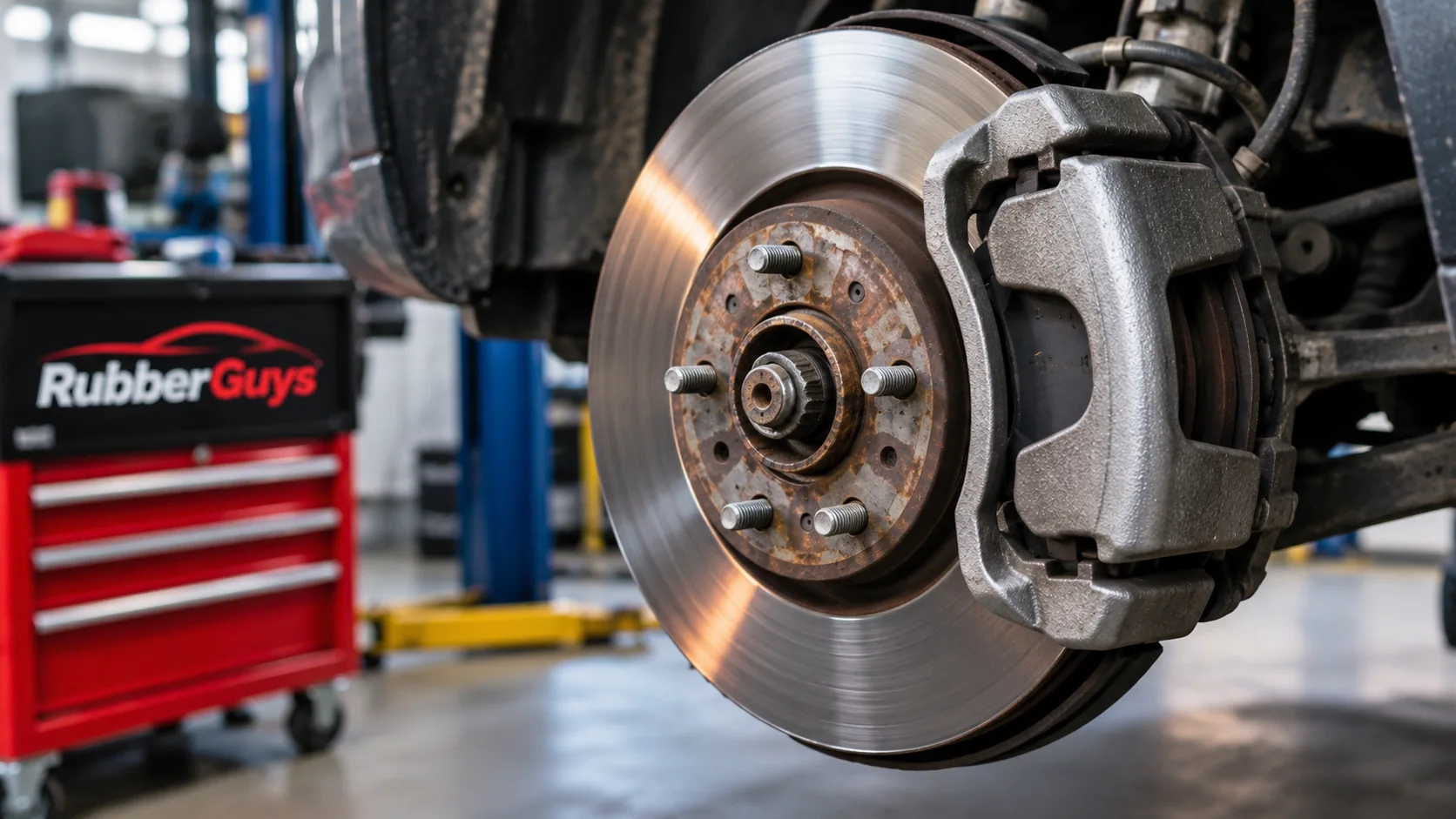
Sometimes, brake noise comes from the condition of the pads or discs themselves.
Possible issues include:
- Uneven brake pad wear
- Glazed brake pad surfaces
- Corrosion or damage to brake discs
- Brake components that aren’t moving freely
- Incorrectly fitted or unsuitable brake components
These problems can produce squeaking, squealing or other unusual noises.
A proper inspection is needed to identify the cause rather than replacing parts based on the sound alone.
5. Squeaking After New Brake Pads Have Been Fitted
Had new brake pads fitted recently?
You might notice some noise while the new pads and discs bed in.
However, persistent squealing isn’t something you should automatically accept as normal.
The noise could relate to the pad material, disc condition, fitting or another issue.
If the sound doesn’t settle or your braking feels unusual, contact the garage that fitted the parts and ask them to check the brakes.
What’s the Difference Between Squeaking and Grinding Brakes?
Squeaking or squealing is usually a higher-pitched noise. It can have several causes, including moisture or brake pad wear.
Grinding is generally a harsher, metallic scraping sound.
Grinding can indicate serious wear or damage, including situations where brake pad friction material has worn away.
If your brakes are grinding, don’t ignore it or keep driving to see whether the noise stops.
Stop safely and arrange professional advice or recovery, particularly if braking performance is affected.
Is It Safe to Drive With Squeaking Brakes?
It depends on what’s causing the noise.
A brief squeak after overnight rain may be relatively harmless.
But persistent squealing, especially alongside other symptoms, needs attention.
Arrange an inspection promptly if you notice:
- Squeaking every time you brake
- Grinding or harsh scraping noises
- Vibration through the brake pedal
- Your car pulling to one side when braking
- Reduced braking performance
- A brake warning light
If your brakes aren’t working normally, stop driving as soon as it’s safe and arrange assistance.
Your braking system is too important to leave to guesswork.
How Much Does It Cost to Fix Squeaking Brakes in Leicester?
The cost depends on the actual cause.
For example, checking a minor noise is different from replacing worn brake pads or damaged discs.
The vehicle’s make and model, the parts required and the condition of the braking system all affect the final price.
At RubberGuys, we can inspect the brakes and explain what needs attention before carrying out repairs.
Learn more about our brake repairs in Leicester.
Frequently Asked Questions
Why do my brakes squeak only in the morning?
Overnight moisture and light surface rust on the discs are common causes. If the noise continues after a few stops or the brakes feel abnormal, arrange an inspection.
Can I spray WD-40 on squeaking brakes?
No. Never apply WD-40, oil or grease to brake discs or friction surfaces. Contaminating the brakes can seriously reduce braking performance.
Will squeaking brakes fail an MOT?
Not necessarily. Noise alone isn’t an automatic MOT failure, but worn, damaged or defective braking components may result in a failure depending on their condition.
Should I replace my brake pads if they’re squeaking?
Not automatically. Brake noise has several possible causes. An inspection can establish whether the pads are worn or another problem needs attention.
Get Your Squeaking Brakes Checked at RubberGuys Leicester
If your brakes are squeaking, squealing or making an unusual noise, don’t wait until the problem becomes more serious.
At RubberGuys, we offer brake inspections and repairs alongside tyres, servicing and general mechanical work.
We’re based at:
RubberGuys
45 Carlisle Street, Leicester, LE3 6AH
Call: 0116 403 0705
WhatsApp: Message us with your vehicle details and a description of the noise.
Let us know whether it happens in the morning, when braking lightly or every time you press the pedal.
We’ll help you understand the next step.
RubberGuys Leicester — friendly advice and straightforward brake repairs.