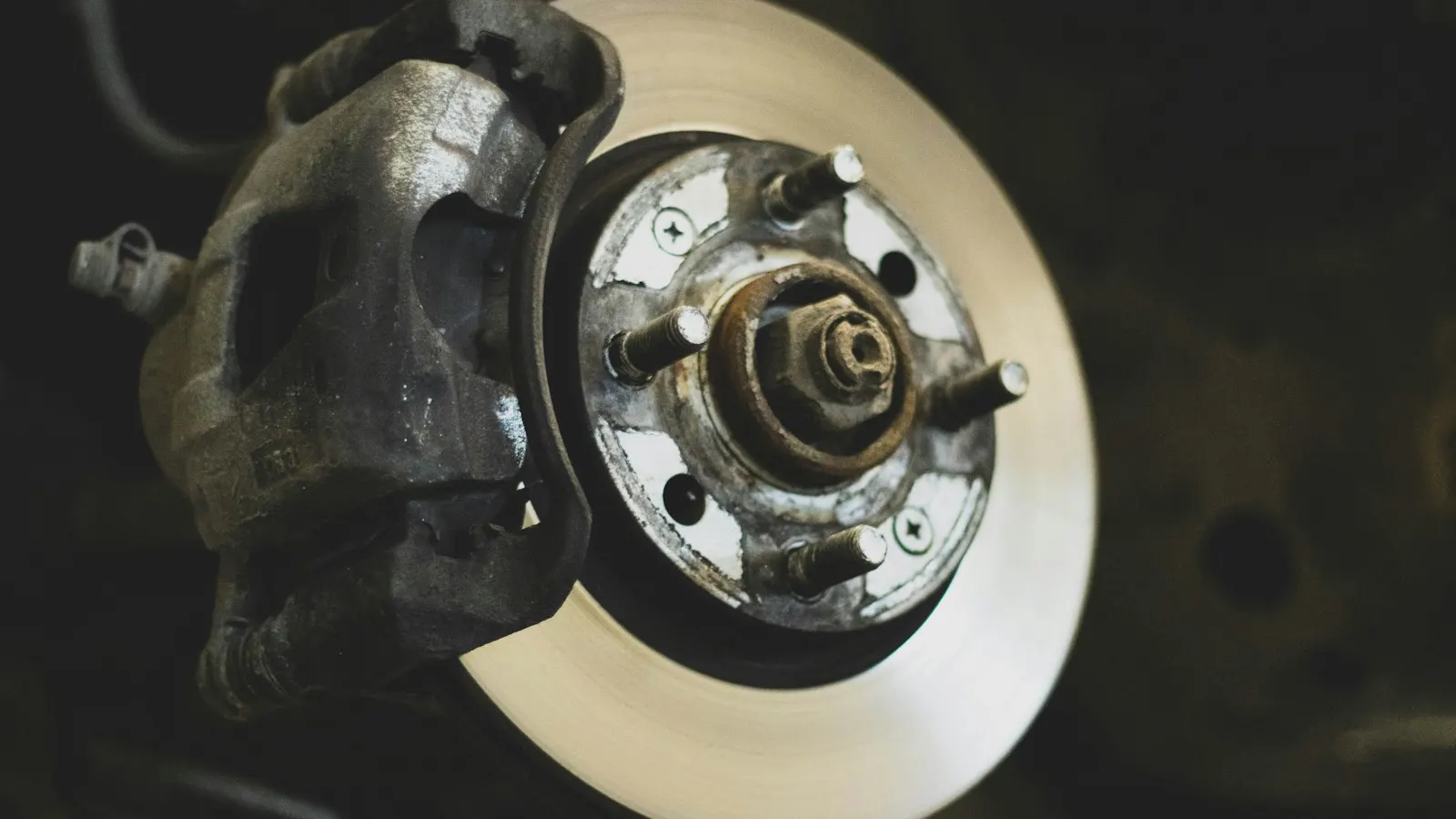
Brakes wear gradually, so it’s easy not to notice how much stopping power you’ve lost. Thankfully, they usually give you warning signs. If you notice any of these, get them checked sooner rather than later.
1. Squealing or squeaking
A high-pitched squeal when you brake is often the wear indicator on your brake pads: a small metal tab designed to make a noise when the pads are getting low. (A light squeak on a damp morning can be normal and usually disappears after a few stops.)
2. Grinding or scraping
A harsh grinding noise usually means the pads are worn right down and metal is rubbing on metal. This damages your brake discs quickly and reduces braking performance, so get it checked straight away.
3. Vibration or a pulsing pedal
If the brake pedal or steering wheel shudders when you brake, especially from higher speeds, your brake discs may be worn unevenly or warped.
4. The car pulls to one side
Pulling left or right under braking can be caused by a sticking caliper, uneven pad wear or a hydraulic problem. It can also be tyre-related, so it’s worth a proper check.
5. A soft or spongy pedal
If the pedal feels soft, sinks towards the floor or needs pushing further than usual, there could be air or moisture in the brake fluid, or a leak. This is a serious safety issue. Don’t ignore it.
Brake warning light on?
Check your handbook and get the car looked at as soon as possible. Some warning lights mean low brake fluid, which needs checking before you drive any further.
How often should brakes be checked?
There’s no fixed mileage for pads and discs. It depends on your car and how you drive, and stop-start town driving wears brakes faster. Many manufacturers recommend changing brake fluid every two years, and your brakes should be inspected as part of every service.
Brakes feeling off?
Bring your car to RubberGuys on Carlisle Street and we’ll inspect your pads, discs and fluid, then give you a clear quote before any work starts.